Wheat Flour Wholesale: A Complete Guide for Retailers and Food Businesses
Introduction
Wheat flour is a staple in households and a core ingredient for countless food businesses, from bakeries to restaurants. For businesses that rely heavily on flour, purchasing in bulk can be a strategic move. Buying wholesale not only reduces costs but also ensures a consistent supply, helping businesses maintain smooth operations and better profit margins. This guide is designed to help retailers and food business owners make informed decisions when sourcing wheat flour wholesale.
Understanding Wheat Flour
Not all wheat flour is created equal. There are several types to choose from:
- Whole wheat flour: Retains bran and germ, offering higher fiber and nutrients.
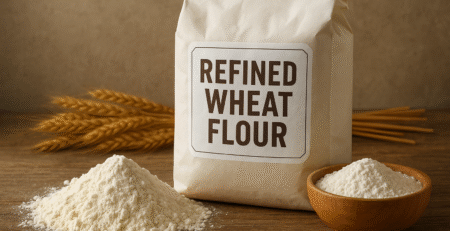
- Refined flour (Maida): Smooth texture, ideal for pastries, bread, and cakes.
- Multigrain blends: A combination of grains providing additional nutrients and flavors.
Key quality indicators include texture, protein content, and moisture level. The right type of flour depends on your business needs—bakeries often prefer high-protein flours for strong gluten formation, while restaurants may need versatile flours for a variety of dishes.
Benefits of Buying Wheat Flour Wholesale
Purchasing wheat flour in bulk offers several advantages:
- Cost savings: Bulk purchases usually come with significant discounts.
- Consistent supply: Avoid last-minute shortages and disruptions.
- Negotiation power: Businesses can negotiate prices, delivery schedules, and payment terms.
- Quality assurance: Access to bulk testing, certifications, and reliable product quality.
How to Find Reliable Wheat Flour Wholesale Suppliers
Finding a trustworthy supplier is critical. Consider the following:
- Research manufacturers and distributors: Look for established companies with a proven track record.
- Check certifications and quality standards: ISO, FSSAI, and other certifications indicate adherence to quality norms.
- Read reviews and seek referrals: Connect with other businesses to understand supplier reliability.
- Visit facilities if possible: Seeing production and storage conditions firsthand ensures transparency.
Factors to Consider Before Purchasing Wholesale
Before placing a bulk order, evaluate these factors:
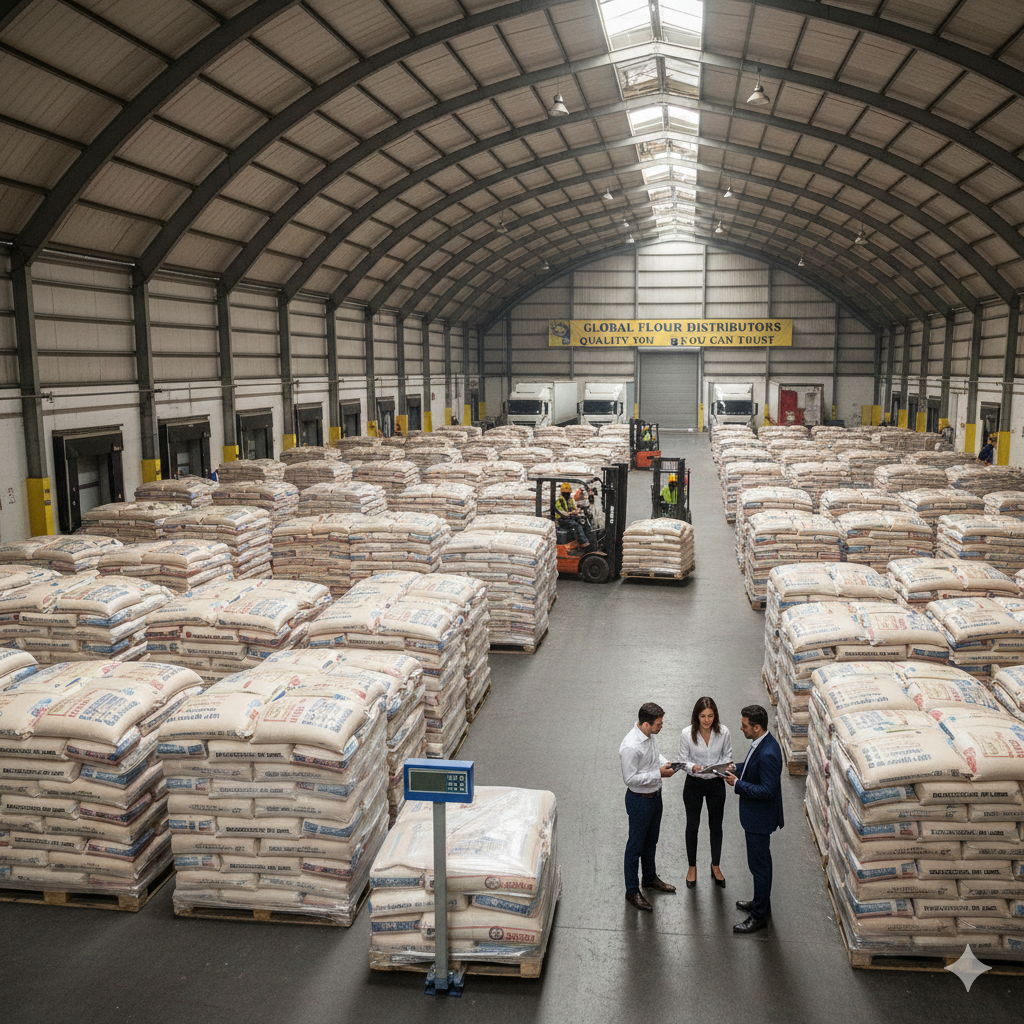
- Minimum order quantity and storage: Ensure you have space to store the flour safely.
- Pricing and discounts: Compare prices, including bulk discounts and payment terms.
- Delivery options: Check for timely delivery and logistics support.
- Shelf life and storage needs: Flour quality can degrade if stored improperly; consider storage conditions.
Tips for Maintaining Flour Quality in Bulk
Proper handling and storage are crucial to maintain flour quality:
- Storage techniques: Keep flour in a cool, dry place, away from direct sunlight and moisture.
- Regular quality checks: Monitor texture, smell, and any signs of infestation.
- FIFO stock management: Use older stock first to prevent wastage.
Common Mistakes to Avoid in Wholesale Purchasing
Avoid these pitfalls to maximize your wholesale benefits:
- Choosing based on price alone: Low-cost flour may compromise quality.
- Ignoring certifications or quality tests: Ensure compliance with standards.
- Over-ordering or underestimating demand: Proper forecasting prevents wastage or shortages.
Conclusion
Buying wheat flour wholesale can be a game-changer for retailers, bakeries, and restaurants, offering cost savings, quality assurance, and a consistent supply. The key is to plan carefully, research suppliers thoroughly, and maintain proper storage and inventory practices. Smart bulk purchasing ensures your business stays efficient, profitable, and ready to meet customer demand.