Is Refined Wheat Flour Bad for You? Separating Nutrition Facts from Fiction
Introduction: The Great Flour Debate
Walk into any grocery store, and you’ll face a dizzying array of choices: white bread or whole wheat? All-purpose flour or whole grain? For years, refined wheat flour has been painted as a nutritional villain, blamed for everything from weight gain to chronic disease. But is refined flour really as harmful as social media wellness influencers claim?
The truth, as with most nutrition topics, is more nuanced than the headlines suggest.
Refined wheat flour is a staple ingredient in countless foods worldwide—from your morning toast to your grandmother’s famous pasta recipe. Understanding what it actually is, how it affects your body, and when it fits into a healthy diet requires looking beyond the noise and examining the science.
In this comprehensive guide, you’ll discover:
- The real nutritional differences between refined and whole wheat flour
- How refined flour affects blood sugar, digestion, and overall health
- What current research actually reveals about refined grains
- Practical strategies for making informed choices that work for your lifestyle
Let’s separate fact from fiction and explore what the evidence really tells us about refined wheat flour.
What Is Refined Wheat Flour?
The Refining Process Explained
Refined wheat flour, commonly known as white flour or all-purpose flour, starts its journey as a whole wheat kernel. This kernel contains three key components:
The whole wheat kernel includes:
- Bran: The outer layer, rich in fiber, B vitamins, and antioxidants
- Germ: The nutrient-dense core containing healthy fats, vitamin E, B vitamins, and minerals
- Endosperm: The starchy middle layer, primarily composed of carbohydrates and protein
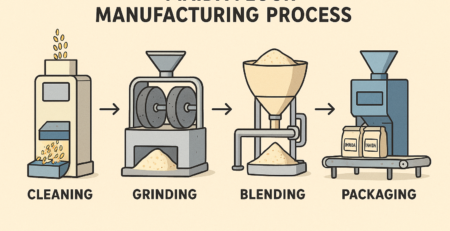
During the refining process, manufacturers remove the bran and germ, leaving only the endosperm. This creates the fine, white flour familiar in most kitchens. The refining process extends shelf life and creates a lighter texture in baked goods, but it also strips away significant nutrients.
Enrichment: Adding Nutrients Back
Because refining removes so many nutrients, most countries mandate flour enrichment. In the United States, refined flour is typically enriched with:
- Iron
- Thiamin (B1)
- Riboflavin (B2)
- Niacin (B3)
- Folic acid (B9)
However, enrichment doesn’t replace everything lost during processing. The fiber, healthy fats, vitamin E, and numerous phytonutrients found in the bran and germ remain absent from enriched refined flour.
The Nutritional Profile: What’s Actually in Refined Flour?
Understanding what refined flour contains—and what it’s missing—is essential for making informed dietary choices.
Macronutrient Breakdown (per 100g)
Refined white flour:
- Calories: 364
- Carbohydrates: 76g
- Protein: 10g
- Fat: 1g
- Fiber: 2.7g
Whole wheat flour (for comparison):
- Calories: 340
- Carbohydrates: 72g
- Protein: 13g
- Fat: 2g
- Fiber: 10.7g
The most striking difference lies in fiber content. Whole wheat flour contains nearly four times the fiber of refined flour, a difference with significant health implications.
Micronutrient Comparison
While enrichment restores some nutrients, it doesn’t fully replicate whole wheat’s nutritional profile:
Nutrients higher in whole wheat flour:
- Magnesium (126mg vs. 22mg per 100g)
- Zinc (2.6mg vs. 0.7mg)
- Vitamin E (0.7mg vs. 0.1mg)
- Vitamin B6 (0.3mg vs. 0.04mg)
- Selenium and manganese
Nutrients similar after enrichment:
- Iron, thiamin, riboflavin, niacin, and folic acid are comparable due to fortification
Glycemic Impact
The glycemic index (GI) measures how quickly foods raise blood sugar levels. Refined wheat flour products typically have a higher GI (70-75) compared to whole wheat products (50-55). This matters because:
- Higher GI foods cause rapid blood sugar spikes and crashes
- Lower GI foods provide more sustained energy
- Glycemic load (which factors in portion size) often matters more than GI alone
The Case Against Refined Flour
Critics of refined flour raise several legitimate concerns backed by nutritional science.
Blood Sugar Impact
When you consume refined flour products, your body breaks down the simple carbohydrates rapidly. Without fiber to slow digestion, glucose enters your bloodstream quickly, triggering:
- Sharp insulin spikes to manage the glucose influx
- Energy crashes 2-3 hours after eating
- Increased hunger and cravings
- Over time, potential insulin resistance in susceptible individuals
For people with diabetes, prediabetes, or metabolic syndrome, this rapid glucose response presents a genuine health concern. Studies show that diets high in high-glycemic foods are associated with increased diabetes risk and poorer blood sugar control.
Nutrient Density Concerns
“Empty calories” is a term often applied to refined flour products. While technically inaccurate (refined flour does provide protein and enriched nutrients), the phrase captures an important truth: refined flour provides significantly fewer nutrients per calorie than whole wheat flour.
When refined flour products dominate your diet, you miss out on:
- Essential minerals like magnesium and zinc
- Antioxidants and phytonutrients in the bran
- Healthy fats from the wheat germ
- B vitamins not replaced through enrichment
Fiber Deficiency and Digestive Health
The fiber gap between refined and whole wheat flour has cascading health effects. Dietary fiber:
- Promotes healthy digestion and regular bowel movements
- Feeds beneficial gut bacteria
- Increases satiety, helping with appetite control
- May reduce cholesterol levels
- Supports stable blood sugar levels
The average American consumes only 15g of fiber daily, far below the recommended 25-38g. Choosing refined flour products over whole grain alternatives contributes to this fiber shortage.
Inflammation and Chronic Disease
Some research suggests that diets high in refined grains may promote low-grade inflammation, a contributing factor to chronic diseases. While the evidence isn’t conclusive, observational studies have linked high refined grain consumption with:
- Increased markers of inflammation
- Higher risk of heart disease
- Elevated type 2 diabetes risk
- Potential associations with certain cancers
However, it’s crucial to note that these studies often can’t separate refined grain consumption from other dietary and lifestyle factors.
Weight Management Challenges
Refined flour products tend to be less satisfying than their whole grain counterparts. The lack of fiber means:
- You feel hungry sooner after eating
- It’s easier to overconsume calories
- Blood sugar crashes can trigger cravings
- Portion control becomes more challenging
This doesn’t mean refined flour directly causes weight gain, but it may make weight management more difficult when consumed in large quantities.
The Nuanced Reality: Context Matters
Here’s where the conversation becomes more interesting and honest: labeling refined flour as simply “bad” ignores the complexity of nutrition and real life.
Portion Sizes and Frequency
A slice of white bread with your lunch differs dramatically from a diet where every meal centers on refined flour products. The dose makes the poison. Occasional consumption of refined flour in a balanced diet likely poses minimal health risk for most people.
Consider these scenarios:
- Occasional consumption: Birthday cake, restaurant pasta, your favorite cookies a few times monthly
- Moderate consumption: White bread for sandwiches, some refined flour products daily but balanced with other foods
- Heavy consumption: Multiple refined grain products at every meal, with few whole grains or vegetables
Health outcomes correlate more strongly with the latter pattern than occasional indulgence.
Overall Diet Quality Matters Most
Nutrition research increasingly supports a pattern-based approach rather than fixating on single foods. Someone eating refined flour pasta with tomato sauce, vegetables, and olive oil consumes a vastly different meal than someone eating instant ramen.
Your overall dietary pattern—including fruits, vegetables, lean proteins, healthy fats, and yes, grains—matters far more than whether your sandwich bread is white or wheat.
Individual Health Factors
Personal health status significantly affects how refined flour impacts you:
People who should minimize refined flour:
- Those with type 2 diabetes or prediabetes
- Individuals with insulin resistance or metabolic syndrome
- People with digestive conditions requiring higher fiber intake
- Anyone trying to manage their weight who finds refined grains unsatisfying
People with more flexibility:
- Metabolically healthy individuals
- Active people with higher calorie needs
- Those without blood sugar regulation issues
Physical Activity Levels
Your activity level influences how your body handles carbohydrates. Athletes and highly active individuals:
- Process carbohydrates more efficiently
- Have greater insulin sensitivity
- Require more total calories and carbohydrates
- May perform better with easily digestible carbs around workouts
A marathon runner’s carbohydrate needs and tolerance differ substantially from someone with a sedentary lifestyle.
Cultural and Practical Considerations
Food is more than fuel—it carries cultural significance, memories, and social connection. Traditional foods often use refined flour:
- Italian pasta dishes passed through generations
- French baguettes central to food culture
- Asian noodles in traditional preparations
- Holiday baked goods with family significance
Completely eliminating these foods may be neither necessary nor desirable. Additionally, whole grain alternatives aren’t always accessible or affordable for everyone, making refined flour a practical reality for many households.
What Does the Science Actually Say?
Let’s examine what high-quality research reveals about refined grains and health outcomes.
Key Research Findings
The Nurses’ Health Study and Health Professionals Follow-Up Study, which followed over 170,000 people for decades, found that higher whole grain intake was associated with lower risk of type 2 diabetes, heart disease, and mortality, while higher refined grain intake showed the opposite association.
A 2020 meta-analysis in BMJ examining data from over 130,000 participants across 20 countries found that consuming more than 350g of refined grains daily (roughly 7 servings) was associated with higher mortality and cardiovascular disease risk.
The PURE study reported that very high refined grain consumption (over 350g daily) correlated with increased mortality risk, but moderate intake showed no significant adverse effects.
Correlation vs. Causation
Here’s the critical nuance: most studies on refined grains are observational, meaning they identify associations but can’t prove causation. People who eat large amounts of refined grains often have other risk factors:
- Lower overall diet quality
- Less physical activity
- Lower socioeconomic status affecting healthcare access
- Other lifestyle factors affecting health
Randomized controlled trials—the gold standard for establishing causation—are limited in nutrition research due to practical constraints.
Where Experts Generally Agree
Despite debates in nutrition science, there’s reasonable consensus on several points:
Generally accepted:
- Whole grains provide more nutrients and fiber than refined grains
- Very high refined grain consumption (as a dietary staple) is associated with poorer health outcomes
- Replacing some refined grains with whole grains improves diet quality
- Refined grains can fit into a healthy diet in moderation
Areas of ongoing debate:
- Exact threshold where refined grain consumption becomes problematic
- Whether refined grains are inherently harmful or simply crowd out more nutritious options
- Individual variation in metabolic response to refined vs. whole grains
Making Informed Choices: Practical Guidelines
Armed with knowledge, how do you make practical decisions about refined flour in your diet?
When Refined Flour Fits
Refined flour has legitimate places in a healthy diet:
Appropriate contexts:
- Occasional treats and celebrations
- Traditional family recipes with cultural significance
- When whole grain versions aren’t available or affordable
- Foods where refined flour provides superior texture (some pastries and cakes)
- Around intense athletic activity when easily digestible carbs are beneficial
Smart Swaps: Easy Whole Grain Alternatives
Small changes can significantly boost your whole grain intake:
- Replace: White sandwich bread → With: 100% whole wheat or whole grain bread
- Replace: White rice → With: Brown rice, quinoa, or farro
- Replace: Regular pasta → With: Whole wheat pasta (or 50/50 blend)
- Replace: All-purpose flour in recipes → With: White whole wheat flour (milder flavor than regular whole wheat)
- Replace: Refined cereals → With: Oatmeal, whole grain cereals, or muesli
The 50/50 Approach
Can’t give up the texture of refined flour in your favorite recipes? Try mixing:
- Half all-purpose flour, half whole wheat flour in baking
- Half white rice, half brown rice
- Half regular pasta, half whole wheat pasta
This compromise improves nutrient content while maintaining much of the texture and taste you enjoy.
Reading Labels: What to Look For
Food marketing can be misleading. When shopping for grain products:
Look for:
- “100% whole grain” or “100% whole wheat” as the first ingredient
- At least 3g fiber per serving in bread products
- Short ingredient lists without excessive added sugars
- Whole grain stamps (but verify by reading ingredients)
Be wary of:
- “Made with whole grains” (may contain mostly refined flour)
- “Multigrain” (doesn’t guarantee whole grains)
- Brown-colored bread (may just be refined flour with molasses added)
- “Enriched flour” listed first (this is refined flour)
Baking Considerations
Sometimes recipes genuinely work better with refined flour. Cake flour, for instance, creates the light, tender crumb essential to certain cakes. Other examples include:
- Delicate pastries like croissants and puff pastry
- Traditional Southern biscuits
- Light, airy cakes and angel food cake
- Certain cookie recipes where texture is paramount
In these cases, using refined flour occasionally for special occasions is a reasonable choice that balances nutrition with the joy of eating.
Beyond Black and White Thinking
The most important lesson in understanding refined flour’s role in your diet might be moving beyond rigid categorization.
Why “Good Food/Bad Food” Labels Oversimplify Nutrition
Labeling foods as universally “good” or “bad” ignores crucial context:
- Quantity matters: A serving of white pasta differs from three servings
- Preparation matters: White bread with butter and jam differs from white bread with avocado and eggs
- Overall pattern matters: Occasional refined grains in an otherwise nutrient-dense diet differ from refined grains at every meal
- Individual needs matter: What works for one person may not work for another
The same food can be appropriate in one context and problematic in another.
The Danger of Nutrition Anxiety
Obsessing over every ingredient can create unhealthy relationships with food. Orthorexia—an unhealthy fixation on eating only “pure” or “clean” foods—is increasingly recognized as a legitimate concern.
Moderate consumption of refined flour won’t derail your health. Missing important social occasions or feeling anxious about food choices can harm your wellbeing just as much as poor nutrition.
Building a Sustainable, Balanced Approach
The most successful dietary approaches share common characteristics:
- Flexibility: Allowing room for treats and traditional foods
- Sustainability: Practices you can maintain long-term
- Pleasure: Enjoying your food without guilt
- Nutrition: Prioritizing nutrient-dense foods most of the time
- Balance: Not perfection in every meal, but balance over time
A diet that’s 80% whole, minimally processed foods with 20% room for flexibility typically serves people better than rigid rules that eliminate entire food categories.
Individual Variation
Your genetics, gut microbiome, activity level, and metabolic health all influence how your body responds to refined flour. Some people notice significant energy improvements switching to whole grains, while others notice little difference.
Pay attention to how your body responds. Do you feel satisfied after meals? How’s your energy throughout the day? Are you managing your health markers? These personal observations matter more than rigid dietary rules.
Conclusion: Finding Your Balance
So, is refined wheat flour bad for you? The honest answer is: it depends.
Key takeaways:
Refined wheat flour provides fewer nutrients and less fiber than whole wheat flour. When consumed in large quantities as a dietary staple, refined grains are associated with higher risks of chronic disease. However, occasional or moderate consumption within a balanced diet likely poses minimal risk for metabolically healthy individuals.
The bottom line: The distinction between refined flour as an occasional ingredient and refined flour as a dietary foundation is crucial. A slice of birthday cake or your grandmother’s famous pasta recipe won’t derail your health. Building most meals around refined grain products while neglecting fruits, vegetables, and whole grains likely will impact your wellbeing over time.
Your action steps:
Focus on gradually increasing whole grains in your regular eating pattern while maintaining flexibility for special occasions and favorite foods. Read labels, experiment with substitutions, and notice how different foods make your body feel. Build a sustainable approach that includes plenty of vegetables, fruits, lean proteins, healthy fats, and yes—both whole and refined grains in proportions that work for your health, lifestyle, and enjoyment.
Final thought: Nutrition is about the bigger picture, not individual ingredients. Make informed choices based on science rather than fear-based restrictions. Your overall dietary pattern, eaten consistently over time, determines your health outcomes far more than whether your bread is white or wheat.
The goal isn’t perfection—it’s progress toward a way of eating that nourishes both your body and your quality of life.